
- FOR US HEALTHCARE PROFESSIONALS
- FOR PATIENTS & CAREGIVERS»
- Important Safety Information
- Medical Resources
Superior overall survival at interim analysis4*:
13-MONTH mOS with IMFINZI + EP

10.3-MONTH mOS with EP alone
HR=0.73 (95% CI, 0.59-0.91; P=0.0047)
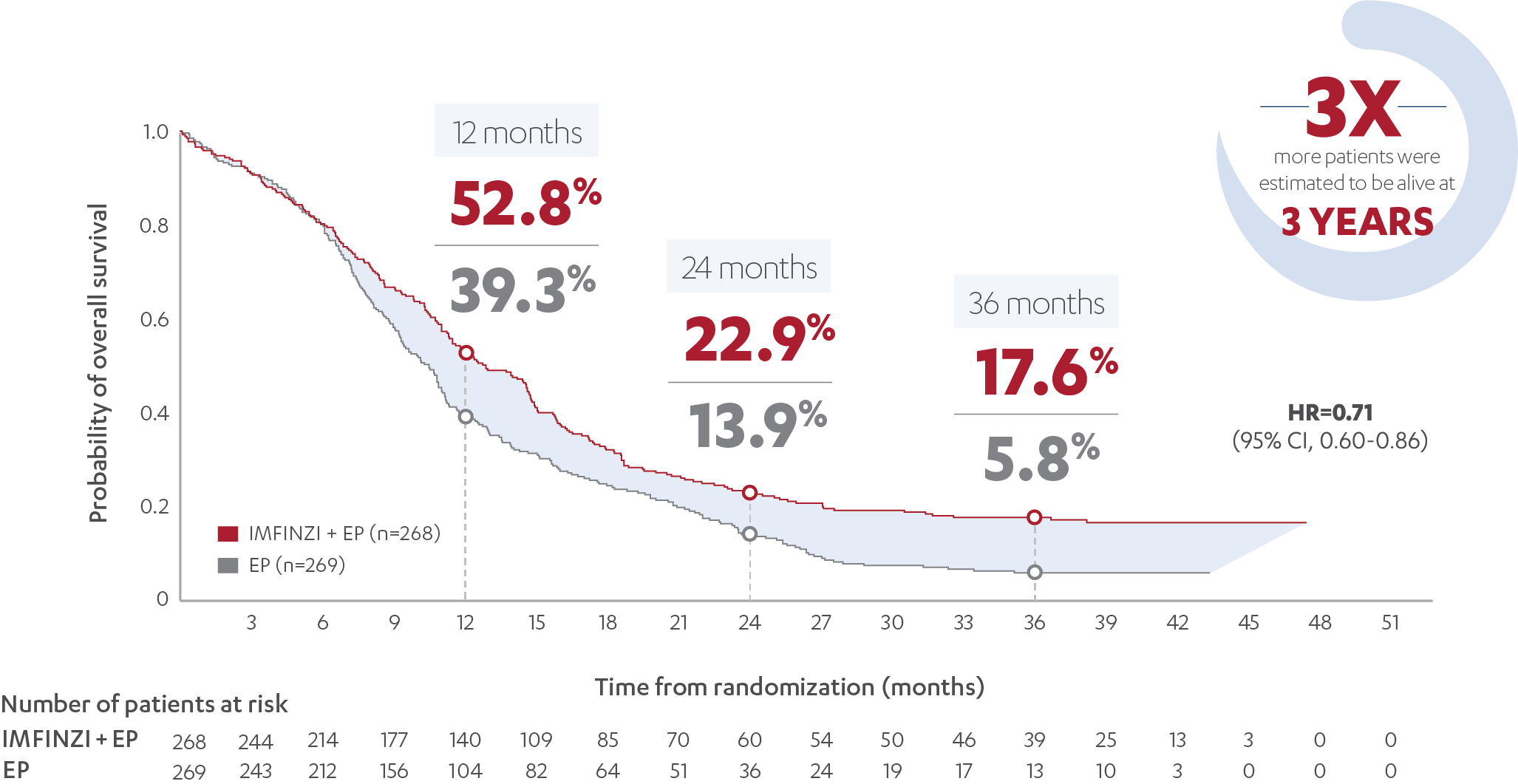
OVERALL SURVIVAL AT 3-YEAR PLANNED EXPLORATORY ANALYSIS1†
(median duration of follow-up: 39.4 months)
NCCN
CATEGORY 1,
PREFERRED
NCCN Category 1, Preferred Durvalumab (IMFINZI®) + etoposide with either cisplatin or carboplatin is an NCCN Category 1, preferred treatment option for first-line ES-SCLC5‡§
*Overall survival was the primary endpoint. At the time of the planned interim overall survival analysis with a median duration of follow-up of 14.2 months, mOS was 13 months (95% CI, 11.5-14.8) with IMFINZI + EP vs 10.3 months (95% CI, 9.3-11.2) with EP alone (HR=0.73; 95% CI, 0.59-0.91; P=0.0047).4,6
†The planned exploratory 3-year OS analysis was conducted at ~3 years after the last patient was randomized, and was not tested for statistical significance. OS rates at 12, 24, and 36 months are the estimated proportion of patients alive based on the 3-year analysis.1,6
‡NCCN makes no warranties of any kind whatsoever regarding their content, use or application and disclaims any responsibility for their application or use in any way.
§See the NCCN Clinical Practice Guidelines in Oncology (NCCN Guidelines®) for detailed recommendations, including other preferred treatment options.5
CI=confidence interval; EP=etoposide and either carboplatin or cisplatin; ES-SCLC=extensive-stage small cell lung cancer; HR=hazard ratio; IO=immuno-oncology; mOS=median overall survival; NCCN=National Comprehensive Cancer Network® (NCCN®); OS=overall survival.
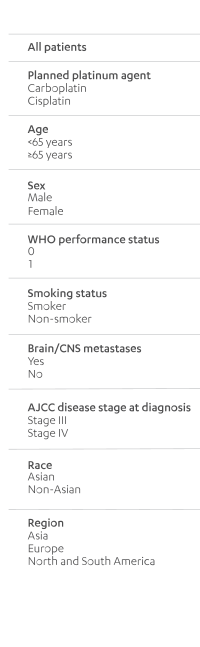
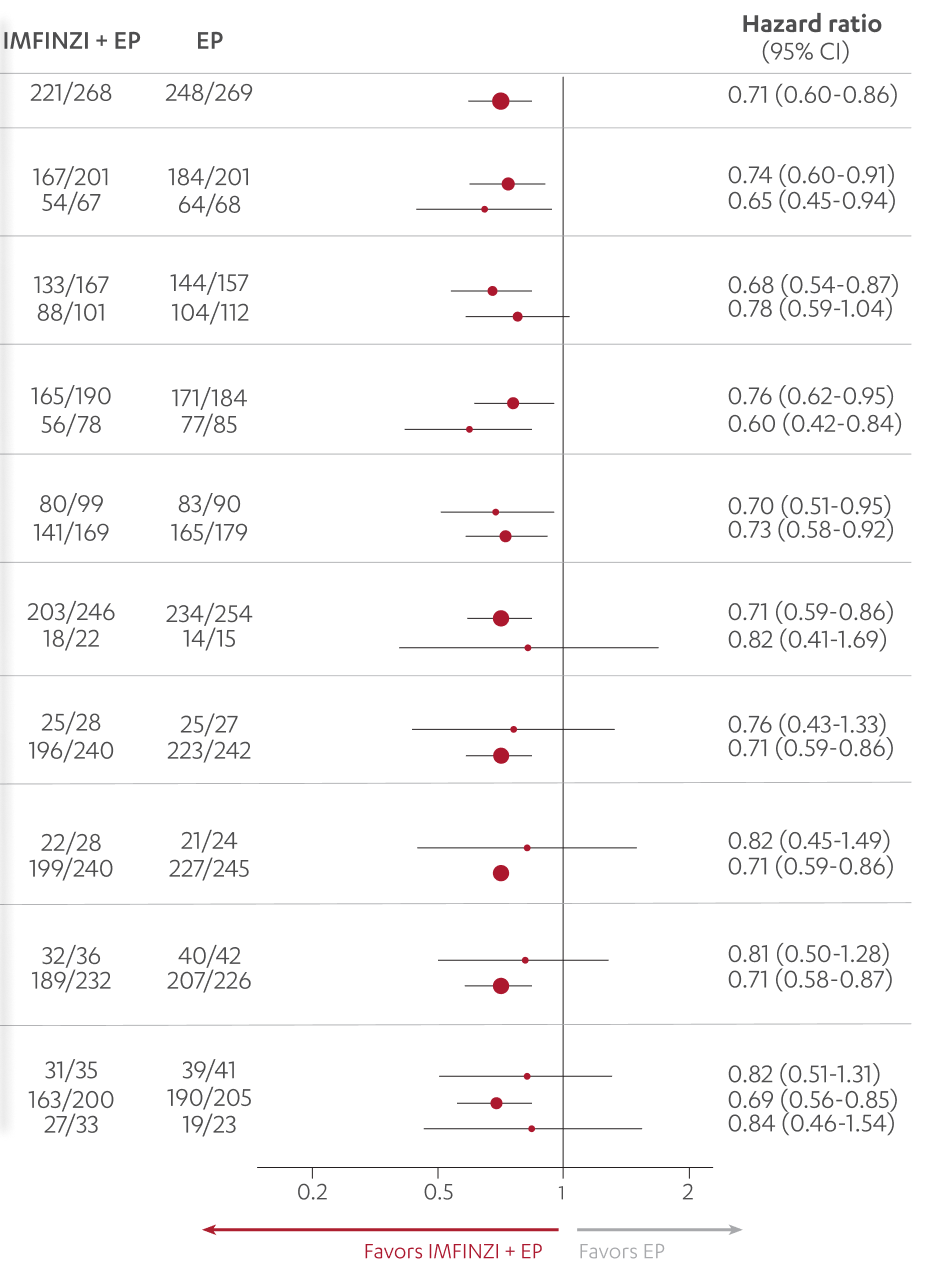
PRESPECIFIED SUBGROUP OVERALL SURVIVAL ANALYSIS1
(median
duration of follow-up: 39.4 months)
 |
 |
|---|
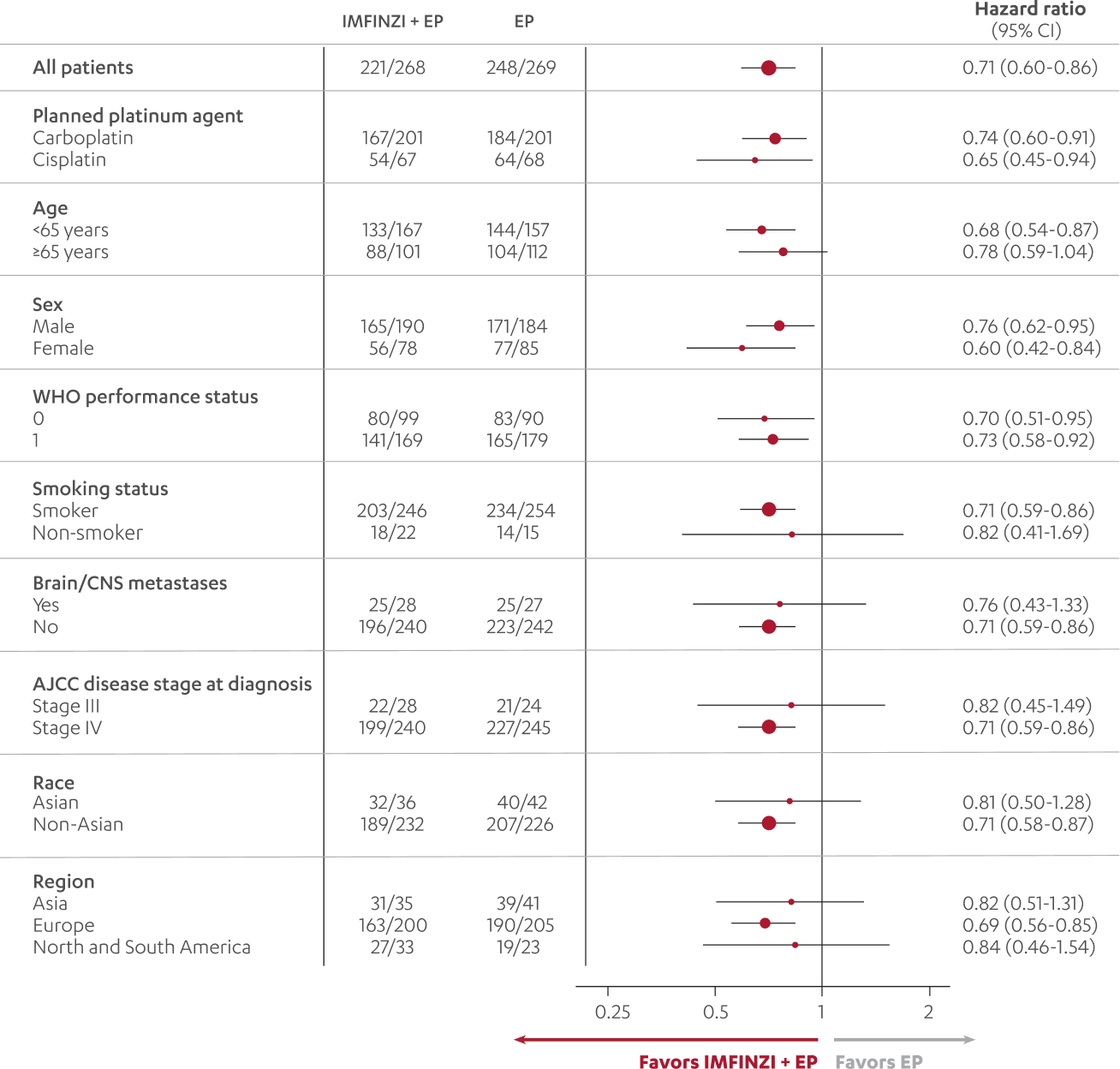
OS subgroup analysis was not powered to show differences between or within individual subgroups, and was not tested for statistical significance.6
In the study, 55 patients had brain or CNS metastases at baseline (28 [10.4%] in IMFINZI + EP arm, 27 [10.0%] in EP arm).
Patients were eligible if they had untreated asymptomatic or treated-and-stable brain metastases.*
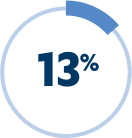
7 patients (13%) had prior brain radiotherapy

3 patients (5%) had prior brain tumor resection
IMFINZI + EP was evaluated in key patient subgroups reflective of clinical practice in ES-SCLC, including patients with brain/CNS metastases, patients who received carboplatin or cisplatin, and patients over 656,8-12
TIME TO DISEASE PROGRESSION IN THE BRAIN OR BRAIN RADIOTHERAPY, WHICHEVER OCCURRED FIRST*
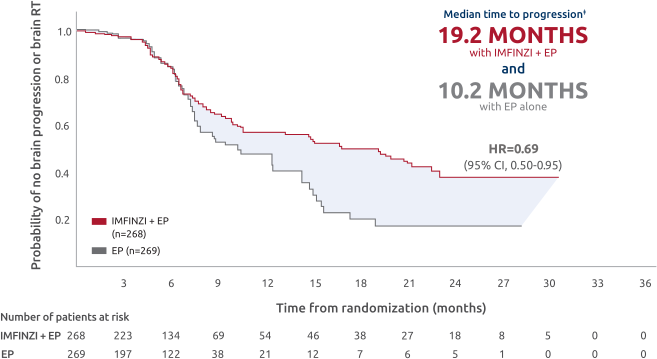
*Brain metastases were deemed stable if patients were off steroids and anticonvulsants ≥1 month before entry. Patients with leptomeningeal disease were excluded. Brain imaging, per local practice, was suggested for suspected brain metastases but not mandated at screening or during treatment.7
†Excluding PCI.7
‡The total number of events for the IMFINZI + EP arm was 77 out of 268 patients (95% CI, 10.5-23.0). The total number of events for the EP arm was 76 out of 269 patients (95% CI, 7.8-14.3).7
AJCC=American Joint Committee on Cancer; CNS=central nervous system; PCI=prophylactic cranial irradiation; RT=radiotherapy; WHO=World Health Organization.
A large, randomized, open-label, multicenter study of IMFINZI + etoposide and platinum-based chemotherapy (EP) vs EP alone4,6
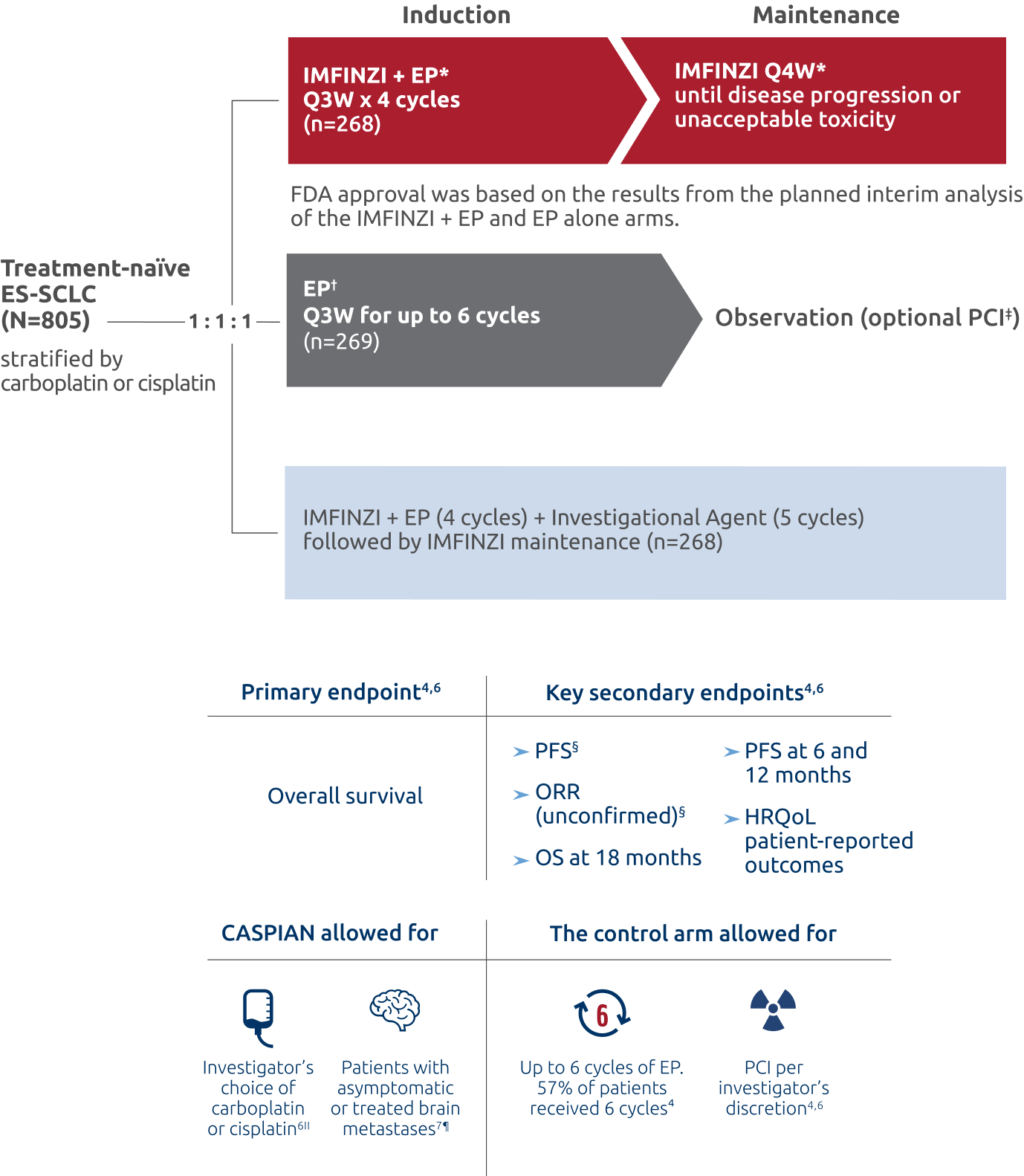
*IMFINZI 1500 mg + either carboplatin (AUC 5 mg/mL/min or 6 mg/mL/min) or cisplatin (75 mg/m2-80 mg/m2) on Day 1 and etoposide (80 mg/m2-100 mg/m2) intravenously on Days 1, 2, and 3 of each 21-day cycle for 4 cycles, followed by IMFINZI 1500 mg every 4 weeks until disease progression or unacceptable toxicity.4,6
†Either carboplatin (AUC 5 mg/mL/min or 6 mg/mL/min) or cisplatin (75 mg/m2-80 mg/m2) on Day 1 and etoposide (80 mg/m2-100 mg/m2) intravenously on Days 1, 2, and 3 of each 21-day cycle for 4 to 6 cycles.4,6
‡8% of patients who were treated with EP alone received PCI post-EP.4,6
§Assessed using investigator assessments according to RECIST v1.1.6
||78% received carboplatin and 25% received cisplatin in the IMFINZI + EP arm; 78% received carboplatin and 25% received cisplatin in the EP alone arm.6
¶Patients with confirmed brain metastases had to be treated and stable off steroids and anticonvulsants for at least 1 month prior to study treatment. Patients with suspected brain metastases at screening should have had a CT/MRI of the brain prior to study entry.6
PATIENT CHARACTERISTICS6
| IMFINZI + EP (n=268) | EP alone (n=269) | |
|---|---|---|
| Median age, years (range) | 62 (58-68) | 63 (57-68) |
| Sex Male Female |
71% 29% |
68% 62% |
| ECOG/WHO PS 0 1 |
37% 63% |
33% 67% |
| Stage III IV |
10% 90% |
9% 91% |
| Smoking history Current smoker/former smoker Never smoker |
92% 8% |
94% 6% |
| Brain or CNS metastases | 10% | 10% |
| Liver metastases | 40% | 39% |
AUC=area under the curve; CT=computed tomography; ECOG=Eastern Cooperative Oncology Group; HRQoL=health-related quality of life; MRI=magnetic resonance imaging; ORR=objective response rate; PD-L1=programmed death-ligand 1; PFS=progression-free survival; PS=performance status; Q3W=every 3 weeks; Q4W=every 4 weeks; RECIST=Response Evaluation Criteria in Solid Tumors.
Hear more about the overall survival data for IMFINZI + EP.
Oncologists from around the country discuss the data.
Transcript+-


IMFINZI is indicated for the treatment of adult patients with unresectable Stage III non-small cell lung cancer (NSCLC) whose disease has not progressed following concurrent platinum-based chemotherapy and radiation therapy.
IMFINZI, in combination with IMJUDO and platinum-based chemotherapy, is indicated for the treatment of adult patients with metastatic NSCLC with no sensitizing epidermal growth factor receptor (EGFR) mutations or anaplastic lymphoma kinase (ALK) genomic tumor aberrations.
IMFINZI, in combination with etoposide and either carboplatin or cisplatin, is indicated for the first-line treatment of adult patients with extensive-stage small cell lung cancer (ES-SCLC).
IMFINZI, in combination with gemcitabine and cisplatin, is indicated for the treatment of adult patients with locally advanced or metastatic biliary tract cancer (BTC).
IMFINZI in combination with IMJUDO is indicated for the treatment of adult patients with unresectable hepatocellular carcinoma (uHCC).
There are no contraindications for IMFINZI® (durvalumab) or IMJUDO® (tremelimumab-actl).
IMFINZI is indicated for the treatment of adult patients with unresectable Stage III non-small cell lung cancer (NSCLC) whose disease has not
There are no contraindications for IMFINZI® (durvalumab) or IMJUDO® (tremelimumab-actl).
Important immune-mediated adverse reactions listed under Warnings and Precautions may not include all possible severe and fatal immune-mediated reactions. Immune-mediated adverse reactions, which may be severe or fatal, can occur in any organ system or tissue. Immune-mediated adverse reactions can occur at any time after starting treatment or after discontinuation. Monitor patients closely for symptoms and signs that may be clinical manifestations of underlying immune-mediated adverse reactions. Evaluate clinical chemistries including liver enzymes, creatinine, adrenocorticotropic hormone (ACTH) level, and thyroid function at baseline and before each dose. In cases of suspected immune-mediated adverse reactions, initiate appropriate workup to exclude alternative etiologies, including infection. Institute medical management promptly, including specialty consultation as appropriate. Withhold or permanently discontinue IMFINZI and IMJUDO depending on severity. See USPI Dosing and Administration for specific details. In general, if IMFINZI and IMJUDO requires interruption or discontinuation, administer systemic corticosteroid therapy (1 mg to 2 mg/kg/day prednisone or equivalent) until improvement to Grade 1 or less. Upon improvement to Grade 1 or less, initiate corticosteroid taper and continue to taper over at least 1 month. Consider administration of other systemic immunosuppressants in patients whose immune-mediated adverse reactions are not controlled with corticosteroid therapy.
IMFINZI, as a single agent, is indicated for the treatment of adult patients with unresectable Stage III non-small cell lung cancer (NSCLC) whose disease has not progressed following concurrent platinum-based chemotherapy and radiation therapy (cCRT).
IMFINZI in combination with platinum-containing chemotherapy as neoadjuvant treatment, followed by IMFINZI continued as a single agent as adjuvant treatment after surgery, is indicated for the treatment of adult patients with resectable (tumors ≥4 cm and/or node positive) NSCLC and no known epidermal growth factor receptor (EGFR) mutations or anaplastic lymphoma kinase (ALK) rearrangements.
IMFINZI, in combination with IMJUDO and platinum-based chemotherapy, is indicated for the treatment of adult patients with metastatic NSCLC with no sensitizing EGFR mutations or ALK genomic tumor aberrations.
IMFINZI, as a single agent, is indicated for the treatment of adult patients with limited-stage small cell lung cancer (LS-SCLC) whose disease has not progressed following concurrent platinum-based chemotherapy and radiation therapy (cCRT).
IMFINZI, in combination with etoposide and either carboplatin or cisplatin, is indicated for the first-line treatment of adult patients with extensive-stage small cell lung cancer (ES-SCLC).
IMFINZI, in combination with gemcitabine and cisplatin, is indicated for the treatment of adult patients with locally advanced or metastatic biliary tract cancer (BTC).
IMFINZI in combination with IMJUDO is indicated for the treatment of adult patients with unresectable hepatocellular carcinoma (uHCC).
IMFINZI in combination with carboplatin and paclitaxel followed by IMFINZI as a single agent is indicated for the treatment of adult patients with primary advanced or recurrent endometrial cancer that is mismatch repair deficient (dMMR) as determined by an FDA-approved test.
IMFINZI in combination with gemcitabine and cisplatin as neoadjuvant treatment, followed by single-agent IMFINZI as adjuvant treatment following radical cystectomy, is indicated for the treatment of adult patients with muscle-invasive bladder cancer (MIBC).
IMFINZI and IMJUDO can cause immune-mediated pneumonitis, which may be fatal. The incidence of pneumonitis is higher in patients who have received prior thoracic radiation.
IMFINZI with IMJUDO and platinum-based chemotherapy can cause immune-mediated colitis, which may be
fatal.
IMFINZI and IMJUDO can cause immune-mediated colitis that is frequently associated with diarrhea.
Cytomegalovirus (CMV) infection/reactivation has been reported in patients with corticosteroid-refractory
immune-mediated colitis. In cases of corticosteroid-refractory colitis, consider repeating infectious workup
to exclude alternative etiologies.
IMFINZI and IMJUDO can cause immune-mediated hepatitis, which may be fatal.
IMFINZI and IMJUDO can cause immune-mediated nephritis.
IMFINZI and IMJUDO can cause immune-mediated rash or dermatitis. Exfoliative dermatitis, including Stevens-Johnson Syndrome (SJS), drug rash with eosinophilia and systemic symptoms (DRESS), and toxic epidermal necrolysis (TEN), has occurred with PD-1/L-1 and CTLA-4 blocking antibodies. Topical emollients and/or topical corticosteroids may be adequate to treat mild to moderate non-exfoliative rashes.
IMFINZI in combination with IMJUDO can cause immune-mediated pancreatitis. Immune-mediated pancreatitis occurred in 2.3% (9/388) of patients receiving IMFINZI and IMJUDO, including Grade 4 (0.3%) and Grade 3 (1.5%) adverse reactions.
The following clinically significant, immune-mediated adverse reactions occurred at an incidence of less than 1% each in patients who received IMFINZI and IMJUDO or were reported with the use of other immune-checkpoint inhibitors.
IMFINZI and IMJUDO can cause severe or life-threatening infusion-related reactions. Monitor for signs and symptoms of infusion-related reactions. Interrupt, slow the rate of, or permanently discontinue IMFINZI and IMJUDO based on the severity. See USPI Dosing and Administration for specific details. For Grade 1 or 2 infusion-related reactions, consider using pre-medications with subsequent doses.
Fatal and other serious complications can occur in patients who receive allogeneic hematopoietic stem cell transplantation (HSCT) before or after being treated with a PD-1/L-1 blocking antibody. Transplant-related complications include hyperacute graft-versus-host disease (GVHD), acute GVHD, chronic GVHD, hepatic veno-occlusive disease (VOD) after reduced intensity conditioning, and steroid-requiring febrile syndrome (without an identified infectious cause). These complications may occur despite intervening therapy between PD-1/L-1 blockade and allogeneic HSCT. Follow patients closely for evidence of transplant-related complications and intervene promptly. Consider the benefit versus risks of treatment with a PD-1/L-1 blocking antibody prior to or after an allogeneic HSCT.
Based on their mechanism of action and data from animal studies, IMFINZI and IMJUDO can cause fetal harm when administered to a pregnant woman. Advise pregnant women of the potential risk to a fetus. In females of reproductive potential, verify pregnancy status prior to initiating IMFINZI and IMJUDO and advise them to use effective contraception during treatment with IMFINZI and IMJUDO and for 3 months after the last dose of IMFINZI and IMJUDO.
There is no information regarding the presence of IMFINZI and IMJUDO in human milk; however, because of the potential for serious adverse reactions in breastfed infants from IMFINZI and IMJUDO, advise women not to breastfeed during treatment and for 3 months after the last dose.
The safety and effectiveness of IMFINZI and IMJUDO have not been established in pediatric patients.
IMFINZI, as a single agent, is indicated for the treatment of adult patients with unresectable Stage III non-small cell lung cancer (NSCLC) whose disease has not progressed following concurrent platinum-based chemotherapy and radiation therapy (cCRT).
IMFINZI in combination with platinum-containing chemotherapy as neoadjuvant treatment, followed by IMFINZI continued as a single agent as adjuvant treatment after surgery, is indicated for the treatment of adult patients with resectable (tumors ≥4 cm and/or node positive) NSCLC and no known epidermal growth factor receptor (EGFR) mutations or anaplastic lymphoma kinase (ALK) rearrangements.
IMFINZI, in combination with IMJUDO and platinum-based chemotherapy, is indicated for the treatment of adult patients with metastatic NSCLC with no sensitizing EGFR mutations or ALK genomic tumor aberrations.
IMFINZI, as a single agent, is indicated for the treatment of adult patients with limited-stage small cell lung cancer (LS-SCLC) whose disease has not progressed following concurrent platinum-based chemotherapy and radiation therapy (cCRT).
IMFINZI, in combination with etoposide and either carboplatin or cisplatin, is indicated for the first-line treatment of adult patients with extensive-stage small cell lung cancer (ES-SCLC).
IMFINZI, in combination with gemcitabine and cisplatin, is indicated for the treatment of adult patients with locally advanced or metastatic biliary tract cancer (BTC).
IMFINZI in combination with IMJUDO is indicated for the treatment of adult patients with unresectable hepatocellular carcinoma (uHCC).
IMFINZI in combination with carboplatin and paclitaxel followed by IMFINZI as a single agent is indicated for the treatment of adult patients with primary advanced or recurrent endometrial cancer that is mismatch repair deficient (dMMR) as determined by an FDA-approved test.
IMFINZI in combination with gemcitabine and cisplatin as neoadjuvant treatment, followed by single-agent IMFINZI as adjuvant treatment following radical cystectomy, is indicated for the treatment of adult patients with muscle-invasive bladder cancer (MIBC).
Please see Full Prescribing Information including Medication Guide for IMFINZI and IMJUDO.
You may report side effects
related to AstraZeneca products  .
.